_507f9d6c.png)
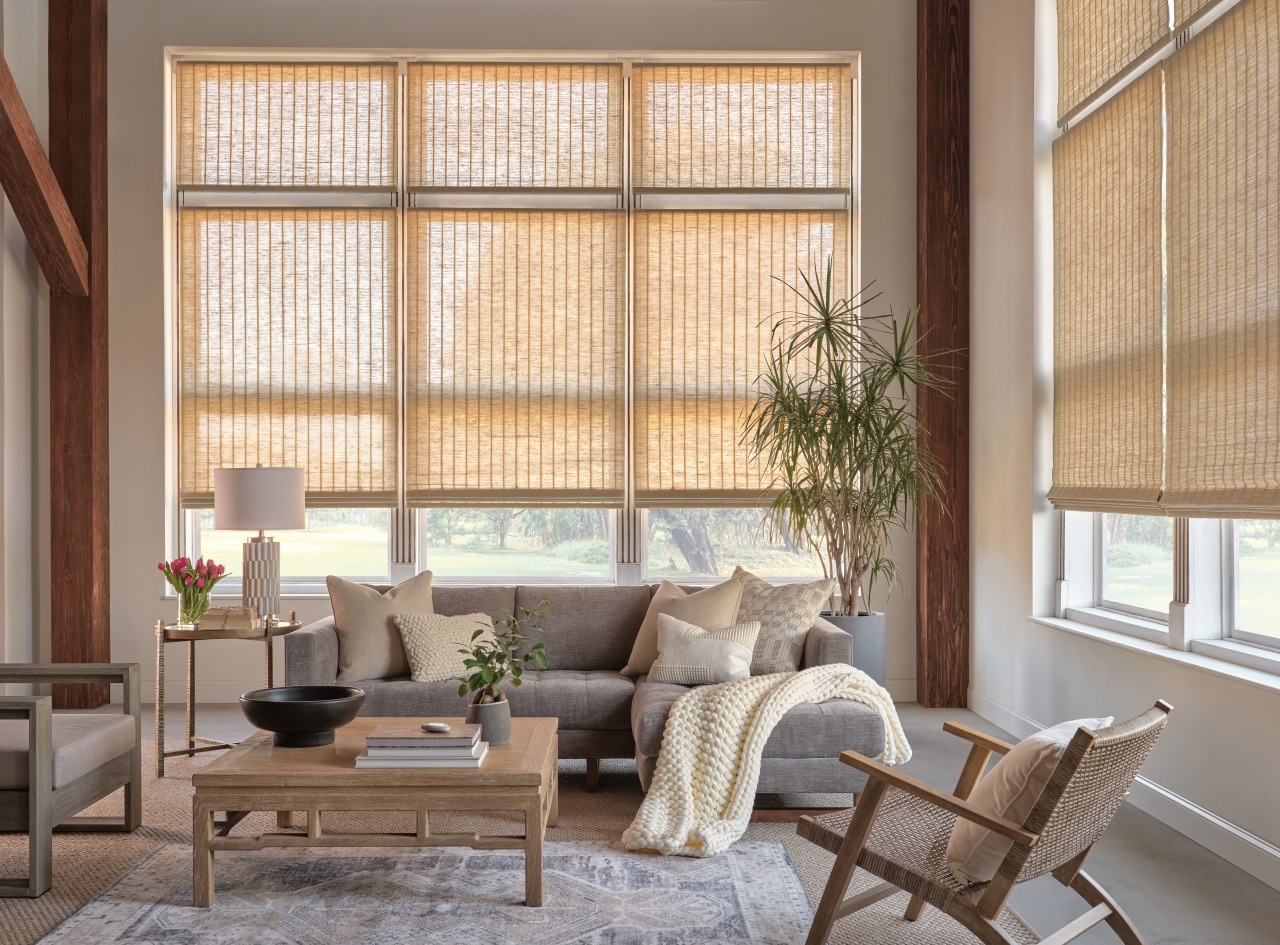
Living room glare in Wisconsin can change with the season, the time of day, and the direction of the windows. A room that feels comfortable in the morning may become difficult to use when afternoon sun reaches the television or seating area. The most useful solution is usually not to block every bit of daylight. It is to choose a window treatment that gives you more control when glare becomes distracting.
Find the source of the glare
Watch the room for a full day if possible. Note when sunlight reaches the television, reflects from a coffee table, or lands across a favorite chair. West-facing windows can create strong late-day glare, while skylights and large south-facing windows may affect the room at different times. Reflections from nearby buildings, snow, or bright outdoor surfaces can also make the problem feel worse.
The source matters because the shade needs to be used at the right time. If glare is limited to late afternoon, a light-filtering shade that closes partway may be enough. If the room remains bright for much of the day, you may want a different opacity or a layered approach.
Choose light control instead of total darkness
A living room usually needs flexibility. You may want daylight for reading, a clear view outside, and privacy in the evening. A light-filtering shade can soften direct light while keeping the room from feeling closed in. A room-darkening configuration may be appropriate for a media area, but it may feel too dark for everyday living if the shade stays closed.
The exact result depends on the product, fabric, opacity, window, and mounting. It also depends on what you are trying to protect from glare. A television and a laptop may need more precise control than a seating area. Discuss the specific problem rather than asking only for a shade labeled for glare.
Think about viewing angles and furniture
The position of the screen and seating can change how glare appears. A shade that works for a television may not solve reflections on a laptop at a nearby desk. Furniture placement, window height, and the angle of the glass all play a role. If a room has several windows, treating them as one group may not provide the best control if the sun reaches each opening differently.
Automated operation may be worth discussing for windows that are difficult to reach or for homeowners who want repeatable daily control. Product and operating-system availability varies, so the specific shade and size must be reviewed before any feature is promised.
Do not overlook privacy after sunset
Wisconsin living rooms often transition from bright and open during the day to more exposed after dark. A fabric that feels comfortable in daylight may provide a different level of privacy when interior lights are on. Ask to compare samples in both conditions, and consider how the room looks from the outside in the evening.
You can review the shades collection and explore Hunter Douglas® window treatments before scheduling an appointment. Blinds by Valeri can help compare fabrics and operating choices around the room's actual light patterns.
A simple glare-control checklist
Before your consultation, note the direction each problem window faces, the time glare appears, what it affects, and whether you still want a view during the day. Take a photo from the seating position and another from the screen or work surface. These details can make the design conversation more specific.
Glare control is a balance. The best treatment lets you adjust the room without making the windows feel permanently closed. Start with the daily problem, then choose the product and opacity that match it.
Frequently asked questions
Do glare-reducing shades make a room dark?
They can be selected in different opacity levels. A light-filtering option may soften direct light while keeping useful daylight, but the result depends on the exact fabric and window.
Are roller shades the only option for glare?
No. Cellular shades, window shadings, Roman shades, and other styles may also be considered. The right choice depends on the room, view, fabric, and operating needs.
Can shades protect a television from glare?
They may help manage direct light and reflections, but results depend on sun direction, screen placement, glass, and shade configuration. Avoid treating any shade as a guarantee of protection.
Next step
If your Wisconsin living room is difficult to use because of glare, contact Blinds by Valeri to discuss the room, windows, and times of day that cause the problem.
Request Your Consultation